
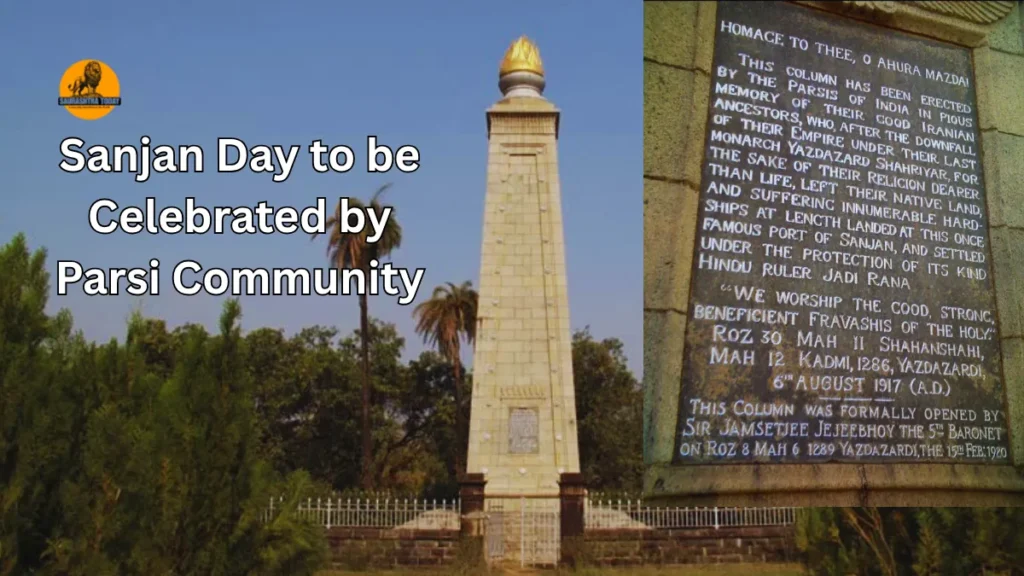
The Parsi community is set to observe Sanjan Day today with great devotion and cultural pride at the historic Kirti Stambh in Sanjan village. This annual event, deeply rooted in Parsi history and migration, attracts community members from across India and abroad. The celebration marks a significant chapter in the story of the Parsi people, honouring the day they first arrived on Indian soil centuries ago.
A Day of Heritage and Remembrance
Every year, Sanjan Day to be celebrated by Parsi community becomes a meaningful occasion to commemorate the arrival of the Parsis in India after they fled religious persecution in ancient Persia (modern-day Iran). The Kirti Stambh, also known as the Victory Pillar, plays a central role in these celebrations. Built to memorialise the historical migration of the Parsis, this monument has become a spiritual and cultural landmark for the community.
On this day, hundreds of Parsi families travel to Sanjan to offer prayers and pay homage at the Kirti Stambh. The atmosphere transforms into a gathering of faith, gratitude, and unity as visitors perform rituals and participate in community activities organised especially for this occasion.
Historical Significance of Kirti Stambh
The Kirti Stambh holds an important place in Parsi heritage. It was inaugurated on 6 August 1917 by Sir Jamsetjee Jeejeebhoy, one of the most respected figures in the Parsi community. Built as a tribute to the courage, survival, and cultural preservation of the Parsis, the pillar stands as a symbol of gratitude toward India for giving them refuge.
The monument is often described as a reminder of the initial settlement of the Parsis in Sanjan, where they found safety after escaping the Muslim invasions in Persia. This sanctuary allowed them to protect their faith, Zoroastrian traditions, and ethnic identity, which had been under threat.
The Arrival of Parsis in India
The history behind “Sanjan Day to be celebrated by Parsi community” goes back nearly 1,300 years. Forced to leave Iran due to religious persecution, a group of Zoroastrians sailed across the Arabian Sea in search of a safe homeland. They reached the Gujarat coast and landed in Sanjan.
Local legend tells the story of King Jadi Rana, the ruler of the region, who provided asylum to the Parsi migrants. However, he allowed them to settle only after they agreed to certain conditions—one of them being that they must adopt the local language, dress modestly, and respect the cultural traditions of the land. The Parsis agreed, promising to live peacefully and contribute to society.
This promise of gratitude and loyalty forms the foundation of Sanjan Day. To honour King Jadi Rana’s kindness, the Parsi community continues to remember him with deep respect during the celebrations.
Why Sanjan Day Is Celebrated Every Year
Sanjan Day is observed according to the Parsi calendar, on Bahman Roj of Tir Mahino. It is a moment of reflection on how the community survived a difficult migration and built a prosperous life in India.
The rituals performed at Kirti Stambh include prayers, cultural events, historical exhibitions, and community feasts. The day also highlights unity among Parsis living in different parts of the world. Families come together to celebrate their ancestry, values, and the rich traditions that continue to shape their identity.
Also read: 150 Years of Lord Birsa Munda: India Celebrates a Legacy of Tribal Pride, Freedom and Justice
Large Turnout Expected at Today’s Event
This year, too, a massive turnout is expected as Parsi families travel from regions such as Sanjan, Nargol, Udvada, Navsari, Surat, and Mumbai. Many arrive early in the morning to participate in the ceremonies.
To support the influx of visitors, Indian Railways has provided special train stoppages for the day, including well-known trains like the Shatabdi Express and Gujarat Express, ensuring smooth travel for devotees.
The gathering not only marks religious remembrance but also strengthens cultural ties among community members belonging to different generations.
Also read: Children’s Day 2025: Date, History, Significance, and Why It’s More Than Just a Celebration
A Global Symbol of Parsi Identity
Today, the celebration has grown beyond a local tradition; it has become a global event recognised by Parsi communities worldwide. As migration and the diaspora expand, Sanjan Day helps younger generations stay connected to their roots.
The observance of Sanjan Day to be celebrated by Parsi community also highlights the values of peace, tolerance, and gratitude. The Parsi community continues to be admired for its contributions to India in business, philanthropy, science, arts, and public service.
Preserving a Legacy
For the Parsis, Sanjan Day is more than just a historical reminder—it is a reaffirmation of their identity. As they gather at Kirti Stambh today, they honour their ancestors’ courage and the generosity of the land that embraced them.
By preserving this tradition year after year, the community ensures that future generations understand the sacrifices made by their forefathers and the importance of cultural harmony.