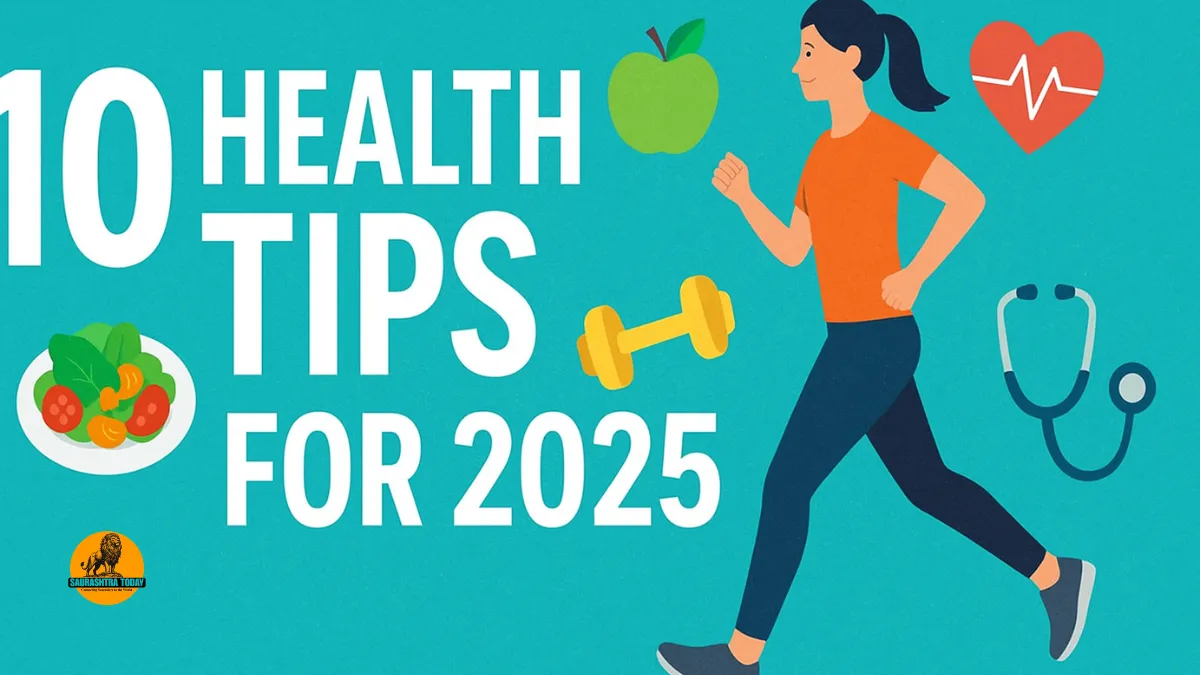
10 Health Tips for 2025: Kickstart your wellness journey with these 10 practical health tips for 2025. From balanced diets to mental well-being, discover expert-backed ways to stay fit, energized, and disease-free this year.
Introduction: A Fresh Start for a Healthier Tomorrow
Every new year begins with promises to live better, eat right, and stay active. But 2025 is more than just another year—it’s a new opportunity to reset your habits and prioritize your health in a world that’s changing faster than ever.
With technology, work stress, and lifestyle patterns affecting our daily routines, small but consistent efforts can make a huge difference. That’s why we’ve put together 10 health tips for 2025 — simple, realistic, and scientifically backed ways to improve your body, mind, and overall well-being.
1. Eat a Balanced and Colorful Diet
A healthy diet remains the foundation of good health. In 2025, nutrition experts continue to emphasize the importance of balance — including fruits, vegetables, legumes, nuts, and whole grains in your daily meals.
Aim for at least five portions (around 400 grams) of fruits and vegetables per day. The easiest way to do this is by:
- Adding vegetables to every meal
- Snacking on fresh fruits
- Eating a variety of colors and seasonal produce
A balanced diet doesn’t just nourish your body—it helps lower the risk of malnutrition, diabetes, heart disease, stroke, and cancer.
Quick Tip:
Swap refined carbs for whole grains and processed snacks for natural options like roasted nuts or yogurt with fruit.
2. Cut Down on Salt and Sugar
In 2025, many health challenges still link to excessive salt and sugar consumption. High salt intake contributes to hypertension and heart disease, while too much sugar leads to obesity, tooth decay, and metabolic issues.
To stay healthy:
- Keep salt intake below 5 grams per day (about one teaspoon).
- Avoid adding extra salt or sauces at the table.
- Choose low-sodium alternatives whenever possible.
For sugar:
- Cut back on sugary drinks, candies, and desserts.
- WHO suggests keeping free sugars below 5% of daily energy intake for optimal benefits.
Smart Swap:
Choose sparkling water or natural fruit-infused water instead of soda. Replace sugary snacks with fruits or homemade smoothies.
3. Limit Harmful Fats — Choose the Right Ones
Not all fats are your enemy, but knowing the right kind makes all the difference. Experts recommend keeping total fat intake under 30% of your daily calories to maintain healthy weight and heart function.
Here’s what to remember:
- Good fats (unsaturated): Found in olive oil, avocado, fish, and nuts.
- Bad fats (saturated): Present in butter, fatty meats, ghee, and cheese.
- Worst fats (trans fats): Common in fried foods, packaged snacks, cookies, and fast food.
Replace saturated and trans fats with unsaturated ones for long-term heart protection.
Healthy Hack:
Cook with olive or sunflower oil, and try baking or air frying instead of deep frying.
4. Quit Smoking — Protect Your Lungs and Life
If there’s one decision that can drastically improve your health, it’s quitting smoking. Tobacco use causes millions of deaths every year, leading to diseases like lung cancer, stroke, and chronic heart problems.
Even if you’ve smoked for years, it’s never too late to stop. The benefits begin within days — improved breathing, better circulation, and reduced risk of severe illnesses.
For non-smokers, protect yourself by avoiding second-hand smoke and supporting tobacco-free environments.
Did You Know?
Within 20 minutes of quitting, your heart rate drops. Within a year, your risk of coronary heart disease falls by half.
5. Stay Physically Active Every Day
In an increasingly digital and sedentary age, movement is medicine. Exercise boosts physical health, reduces stress, and sharpens the mind.
Adults (18–64 years) should aim for:
- At least 150 minutes of moderate-intensity activity per week, or
- 75 minutes of vigorous-intensity activity, or
- A mix of both, spread across the week.
Walking, swimming, cycling, or even dancing can count as exercise. The goal is to move consistently.
Bonus Tip:
Try standing or walking meetings, short desk stretches, or using stairs instead of elevators.
6. Check Your Blood Pressure Regularly
Known as the “silent killer,” high blood pressure often has no symptoms until it causes serious complications like heart attack or kidney failure.
Regular check-ups are crucial — at least once every few months, especially if you’re over 35 or have a family history of hypertension.
If diagnosed with high blood pressure, follow your doctor’s advice strictly and adopt lifestyle changes like reducing salt, avoiding alcohol, and staying active.
Pro Tip:
Keep a digital blood pressure monitor at home and track readings to notice any patterns or changes early.
7. Follow Traffic and Road Safety Rules
Health isn’t just about what you eat or drink—it’s also about how safely you live. Road safety is a major part of public health, with millions of lives lost annually in preventable accidents.
Protect yourself and others by:
- Wearing seatbelts and helmets
- Avoiding mobile phones while driving
- Never driving under the influence of alcohol or drugs
- Using child restraints for young passengers
Health Insight:
Following traffic laws isn’t only a safety rule—it’s a health habit that saves lives every single day.
8. Use Antibiotics Responsibly
Antibiotic resistance is becoming one of the biggest global health challenges in 2025. Overusing or misusing antibiotics makes bacteria stronger and infections harder to treat.
Always:
- Take antibiotics only when prescribed by a qualified doctor
- Complete the full course of treatment
- Never share or reuse leftover antibiotics
Awareness Tip:
Antibiotics don’t cure viral infections like cold or flu. Using them unnecessarily can do more harm than good.
9. Maintain Proper Hand Hygiene
The COVID-19 pandemic reminded the world of one simple truth — clean hands save lives. Hand hygiene is still one of the most powerful ways to prevent infection.
Follow these basic steps:
- Wash hands with soap and water for at least 20 seconds.
- Use alcohol-based sanitizer when soap isn’t available.
- Clean hands before eating, after using the restroom, or after touching surfaces in public areas.
Quick Reminder:
Make handwashing a daily ritual for yourself and teach kids to do the same — it’s your first line of defense.
10. Schedule Regular Health Check-ups
Prevention is always better than cure. In 2025, with fast-paced lifestyles and digital distractions, many people skip routine health exams — until something goes wrong.
Regular medical check-ups can:
- Detect hidden health problems early
- Increase treatment success rates
- Help manage existing conditions effectively
Visit your healthcare provider for annual blood tests, dental exams, eye checks, and other preventive screenings.
Doctor’s Note:
Even if you feel perfectly fine, annual health assessments are essential to maintain long-term wellness.
Also read: Dholera Smart City: Transforming India’s Future with Dholera Forest Estate
Bonus Tip: Prioritize Mental Health in 2025
While physical health matters, mental well-being is just as important. Stress, anxiety, and burnout have become modern epidemics.
Practice mindfulness, meditation, and self-care. Stay connected with loved ones, take digital detox breaks, and seek professional help if you feel overwhelmed.
Remember:
Healthy living is a balance between mind, body, and lifestyle choices.
Conclusion: Small Steps, Big Impact
Living a healthier life in 2025 isn’t about drastic changes — it’s about building sustainable habits.
By eating better, moving more, and staying mindful, you can protect yourself from diseases, boost your immunity, and enhance your overall quality of life.
So as you begin this new year, commit to these 10 health tips for 2025 and take charge of your well-being. After all, your health is your greatest investment — one that pays off every single day.