
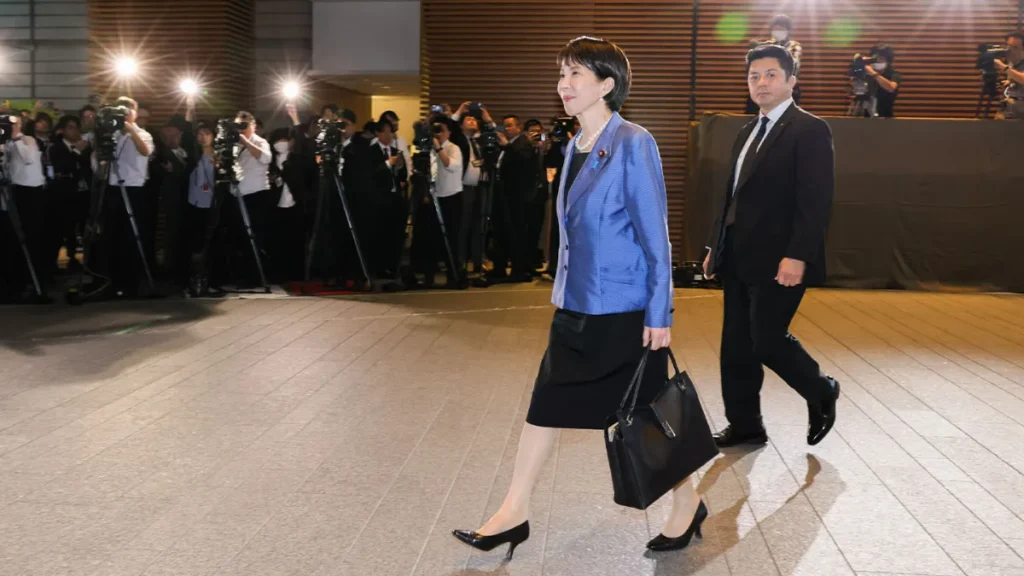
Japan’s newly appointed Prime Minister Sanai Takaichi has triggered a nationwide conversation on work-life balance after reportedly summoning an urgent meeting at 3 AM. Her intense work ethic, combined with public statements promoting long hours, has raised concerns that Japan may be returning to its old and dangerous culture of overwork.
Takaichi, who recently assumed office, has already made headlines for her uncompromising approach to work. According to reports, she openly claims to work 18 hours a day and insists she does not believe in maintaining a work-life balance. Her message to citizens has been equally controversial—she expects people to “work like horses.”
For a country that has long struggled with the consequences of extreme work pressure, these comments have reignited fear that the dark era of karoshi—death caused by overwork—could resurface.
A History Japan Cannot Ignore: The Legacy of “Karoshi”
Japan’s work culture has been globally recognized for its discipline and productivity—but also for its brutality. After World War II, as the nation rebuilt itself into an economic powerhouse, the expectation for employees to dedicate their lives to their companies became deeply ingrained.
Over the decades, thousands of workers collapsed due to heart attacks, strokes, and severe mental stress linked to excessive working hours. These sudden deaths became so widespread that Japan coined a term for it: “karoshi,” meaning death from overwork.
In response to public outrage and international scrutiny, the Japanese government introduced strict regulations on overtime hours and worker welfare. Companies were required to limit overtime and encourage rest days, gradually reducing reported cases of overwork-related deaths.
However, the arrival of Sanai Takaichi as Prime Minister has made many question whether Japan may be slipping back into its dangerous past.
The 3 AM Meeting That Shocked the Nation
The latest controversy unfolded on November 7, the day Japan’s parliament was scheduled to hold a budget session. Hours before the meeting, at nearly 3 AM, Prime Minister Sanai Takaichi reportedly called her advisers for an emergency briefing.
Local media quickly labeled it the “3 AM Study Session.”
This unexpected move drew immediate criticism—not just from citizens and employees, but from political leaders as well.
Former Prime Minister Yoshihiko Noda, now leader of the main opposition party, called Takaichi’s decision nothing short of “madness.”
Noda explained that during his time as Prime Minister (2011–2012), he typically began his day at 6 or 7 AM—never before sunrise. He said:
“She can work as early as she wants, but she shouldn’t drag others into it. At 3 AM, everyone is asleep. Such behavior from the Prime Minister is extremely disappointing.”
After the backlash, Sanai Takaichi attempted to clarify the situation, saying she had gone to the Prime Minister’s residence at 9 AM to prepare for the budget session and that a malfunctioning fax machine had contributed to the confusion.
But the explanation did little to calm the criticism.
Government Considering Overtime Expansion Amid the Controversy
This debate comes at a sensitive time. Japan’s government is reportedly considering a proposal to increase the legal limit on overtime—a move that critics believe would encourage employers to pressure workers further.
Currently, Japan’s labor laws allow:
- 8 hours of regular work per day
- 45 hours of overtime per month
This means employees can legally be asked to work up to 9.5 hours per day during busy periods.
Media reports claim that the new government—under Takaichi’s influence—is evaluating ways to expand these overtime limits for certain sectors. Supporters argue it would increase productivity and national competitiveness. But critics fear the initiative could fuel the very culture Japan has spent decades trying to dismantle.
Opponents, including labor unions and mental health experts, warn that the Prime Minister’s own lifestyle choices—publicly working 18-hour days—set a dangerous standard. They argue that if the nation’s leader is glorifying extreme hours, employers may feel empowered to demand more from their staff.
Sanai Takaichi’s Work Philosophy Raises Red Flags
Sanai Takaichi’s leadership style is clear: work first, everything else later.
In various interviews, she has expressed:
- Strong belief in long working hours
- Doubts about the concept of work-life balance
- Expectations of high productivity from government staff
- Admiration for Japan’s post-war work ethic
While her supporters view this as a sign of dedication and discipline, others say it sends a harmful message—especially in a society where long hours are already normalized.
Political analysts note that her rhetoric aligns with Japan’s older generation of leaders, who believed national success required personal sacrifice. But younger generations in Japan are increasingly pushing for flexibility, mental health awareness, and a more relaxed work environment.
The widening generational divide could become a major point of contention during her tenure.
Public Reaction: Worry, Anger, and Anxiety
The social media response in Japan and abroad has been intense. Hashtags trending nationwide include:
- #WorkLifeBalance
- #3AMMeeting
- #Karoshi
- #SanaiTakaichi
Many citizens have expressed fear that the government is normalizing overwork again. Some comments include:
- “If the PM works 18 hours, will my boss expect the same from me?”
- “Japan fought hard to reduce overwork. Why go backwards?”
- “Leaders should protect workers, not burden them.”
Health experts warn that Japan’s declining population, low birthrate, and increasing mental health issues could worsen if long working hours become celebrated once more.
Global Perspective: How the World Views Sanai Takaichi’s Leadership Style
International observers, especially in the US and UK, are closely monitoring Japan’s shift in work culture under Takaichi’s leadership. With global conversations emphasizing remote work, mental health, and balanced lifestyles, Japan’s potential return to extreme work culture stands in contrast to Western trends.
Many foreign policy analysts argue that Japan risks harming its global reputation if its workforce becomes synonymous again with burnout and overwork. In industries like technology, finance, and manufacturing—where Japan competes globally—employee wellbeing is now considered a key factor in innovation and growth.
If workers feel pressured or exhausted, productivity may fall instead of rising.
Also read: After Mamdani’s Win, Saikat Chakraborty Emerges as a Rising Star in U.S. Politics
The Larger Question: Is Japan Ready for an Overwork Comeback?
While nothing is officially confirmed about new overtime regulations, it is clear that Prime Minister Sanai Takaichi’s actions have shaken Japan’s social and political landscape.
Her 18-hour workdays may reflect her personal dedication, but critics argue that a leader must also be mindful of the message they send to the population.
Japan is already battling:
- Labor shortages
- Declining youth workforce
- Rising mental health issues
- Decreasing birthrates
- Pressure to modernize work environments
If the government appears to embrace old habits of excessive work, these problems may intensify.
Also read: Melania Trump Remains Silent as Historic East Wing Faces Demolition at the White House
Conclusion: A Country at a Crossroads
The controversy surrounding Sanai Takaichi is more than a debate about one late-night meeting—it symbolizes a much larger national struggle between tradition and modernity.
Will Japan move toward healthier, balanced work models favored globally?
Or will it return to the high-pressure systems of the past?
As discussions around overtime reform continue and the Prime Minister’s work habits remain under scrutiny, one thing is clear:
Japan now stands at a critical point where its decisions will shape not only its economic future but also the wellbeing of millions of workers.