
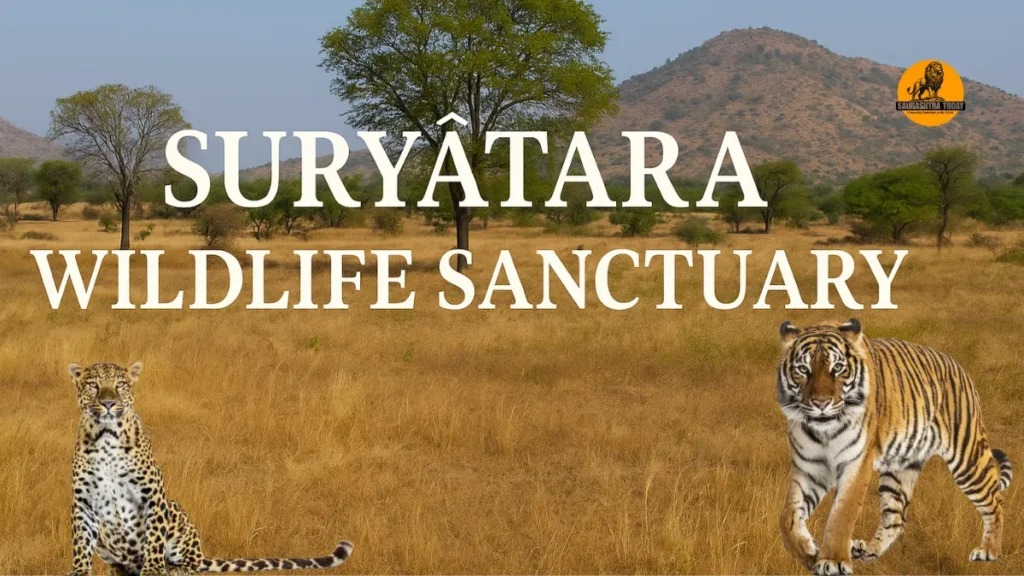
Suryatara wildlife sanctuary stands as one of western India’s most intriguing natural landscapes, a protected region that blends ecological richness with cultural significance. Located away from mainstream tourist circuits, the sanctuary has gradually gained attention from researchers, conservationists, and nature enthusiasts who are drawn to its diverse habitats and quiet wilderness. Its unique terrain, seasonal rivers, and abundant wildlife make it an important ecological asset for the region.
Spread across a wide stretch of dry deciduous forests and open grasslands, Suryatara wildlife sanctuary offers a glimpse into the delicate balance of flora and fauna that thrives in semi-arid conditions. The sanctuary serves as a refuge for several threatened species and acts as a natural corridor for wildlife movement. Over the past decade, it has become a living laboratory for ecological study, climate observation, and wildlife monitoring.
Landscape and Ecological Importance of Suryatara Wildlife Sanctuary
The geographic profile of Suryatara wildlife sanctuary is shaped by undulating hills, rocky outcrops, and sandy riverbeds that come alive during the monsoon. These changing landscapes support a surprising variety of species despite the region’s harsh climate. The forest canopy, though not dense, is rich in indigenous species such as teak, acacia, flame-of-the-forest, and medicinal shrubs that sustain herbivores and smaller mammals.
This sanctuary plays an essential role in groundwater recharge and soil conservation. Monsoon-fed streams replenish local reservoirs and help maintain water availability for both wildlife and surrounding communities. Ecologists emphasize that Suryatara wildlife sanctuary serves as a buffer against land degradation caused by expanding agriculture and climate variations. Its protected status ensures that the natural environment remains stable, which benefits long-term conservation efforts.
Wildlife Diversity Within Suryatara Wildlife Sanctuary
A major reason the sanctuary has drawn increasing attention is its impressive wildlife diversity. Mammals like Indian fox, hyena, jungle cat, nilgai, and blackbuck can be observed in different zones. Birdlife is especially notable, as the area lies on a migratory route used by several winter visitors. Species such as the Indian roller, crested serpent eagle, steppe eagle, and various waterbirds frequent the region’s wetlands during cooler months.
Reptiles and amphibians also form an important part of the sanctuary’s ecosystem. Monitor lizards, star tortoises, sand boas, and several frog species thrive in this habitat. The sanctuary’s balanced food chain highlights the success of protective measures and habitat restoration initiatives undertaken by forest authorities and researchers.
Visitor Experience and Tourism Potential
Although not as commercialized as many other wildlife destinations, Suryatara wildlife sanctuary provides an authentic nature-based experience. Visitors often describe the ecosystem as calm and minimally disturbed, which offers an opportunity to observe wildlife in its natural behavior patterns. Basic observation points, guided trails, and seasonal safari routes help visitors explore the sanctuary responsibly.
Local communities living near the sanctuary contribute significantly to its preservation. They participate in conservation programs and work as guides, making tourism more sustainable and community-driven. The sanctuary’s potential for eco-tourism continues to grow as more travelers seek offbeat destinations focused on nature education and wildlife appreciation.
Conservation Challenges and Future Outlook
Like many protected areas in India, Suryatara wildlife sanctuary faces pressures from human activity. Encroachment, illegal grazing, and changing climate patterns impact the habitat. Conservationists are working with authorities to strengthen patrols, restore degraded patches, and improve water availability through small check-dams and vegetation programs.
Researchers stress that long-term survival of key species will depend on maintaining habitat connectivity across the region. Efforts are underway to create awareness among local communities and to promote responsible tourism that does not disturb wildlife. If these strategies continue, Suryatara wildlife sanctuary is expected to develop into a leading example of balanced conservation.
Information Table: Key Facts About the Sanctuary
Below is a concise table summarizing essential details about Suryatara wildlife sanctuary:
| Category | Details |
|---|---|
| Location | Western India, near semi-arid forest region |
| Terrain | Dry deciduous forest, grasslands, rocky hills |
| Major Wildlife | Blackbuck, nilgai, hyena, Indian fox, jungle cat |
| Bird Species | Indian roller, steppe eagle, waterbirds |
| Best Time to Visit | November to March |
| Main Conservation Areas | Grassland protection, water management, habitat restoration |
| Visitor Activities | Nature trails, birdwatching, guided safaris |
| Ideal For | Nature enthusiasts, researchers, wildlife photographers |
Cultural and Historical Elements
Suryatara wildlife sanctuary is also intertwined with local cultural identities. Nearby villages preserve traditional crafts, folk tales, and agricultural practices that have coexisted with the sanctuary environment for generations. Seasonal festivals and rituals often revolve around nature, indicating a deep relationship between people and forest landscapes. This cultural dimension adds richness to the sanctuary’s overall narrative.
Role in Education and Scientific Research
Educational institutions frequently collaborate with the sanctuary for fieldwork and research projects. Studies focus on biodiversity assessment, climate resilience, species behavior, and habitat health. Students and scientists use the sanctuary as a natural classroom, gathering data that contributes to regional environmental policies. The sanctuary’s relevance continues to grow as ecological issues become more urgent on a global scale.
Also read: India Urges UN Wildlife Body Not to Restrict Animal Imports Amid Ambani Zoo Controversy
The Future of Suryatara Wildlife Sanctuary
The future of Suryatara wildlife sanctuary depends on sustained conservation, community involvement, and environmentally responsible tourism. More visitors are discovering its quiet charm, and researchers continue to uncover ecological insights from its varied habitats. With continued protection and informed management, the sanctuary can evolve into a model for wildlife preservation in semi-arid landscapes.
Suryatara wildlife sanctuary symbolizes the fragile yet enduring relationship between nature and human society. Its forests and grasslands stand as reminders of the biodiversity that thrives even in challenging conditions. As awareness grows and conservation efforts strengthen, the sanctuary will continue to serve as a source of inspiration for generations of wildlife lovers, researchers, and travelers who seek deeper connections with the natural world.