
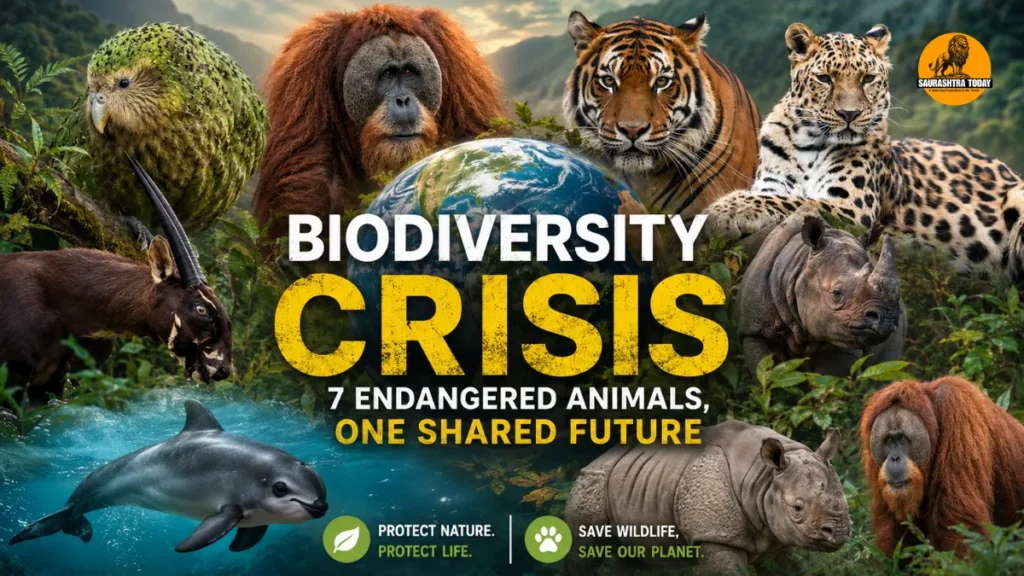
Biodiversity Crisis has become one of the most urgent environmental challenges facing the world today. Scientists and conservationists warn that thousands of animal and plant species are disappearing due to habitat destruction, climate change, pollution, illegal hunting, and wildlife trafficking. While global conservation efforts have helped some species recover, many continue to fight for survival and remain dangerously close to extinction.
According to the International Union for Conservation of Nature (IUCN), a growing number of species are listed as threatened or critically endangered. The loss of biodiversity is not only a concern for wildlife but also for humanity, as healthy ecosystems support food production, clean water, climate regulation, and countless other natural processes essential to life on Earth.
Here are seven of the world’s rarest animals that are facing an uncertain future and why protecting them has become more important than ever.
The Global Biodiversity Crisis Is Accelerating
The ongoing Biodiversity Crisis is largely driven by human activities. Expanding cities, deforestation, industrial development, climate change, pollution, and illegal wildlife trade have pushed many species to the edge of extinction. Every species lost weakens ecosystems and disrupts the natural balance that supports life across the planet.
Although governments, conservation groups, and researchers continue to work on protecting endangered wildlife, some species now survive only in small, isolated populations, making them extremely vulnerable to disease, natural disasters, and habitat loss.
1. Vaquita-The World’s Rarest Marine Mammal
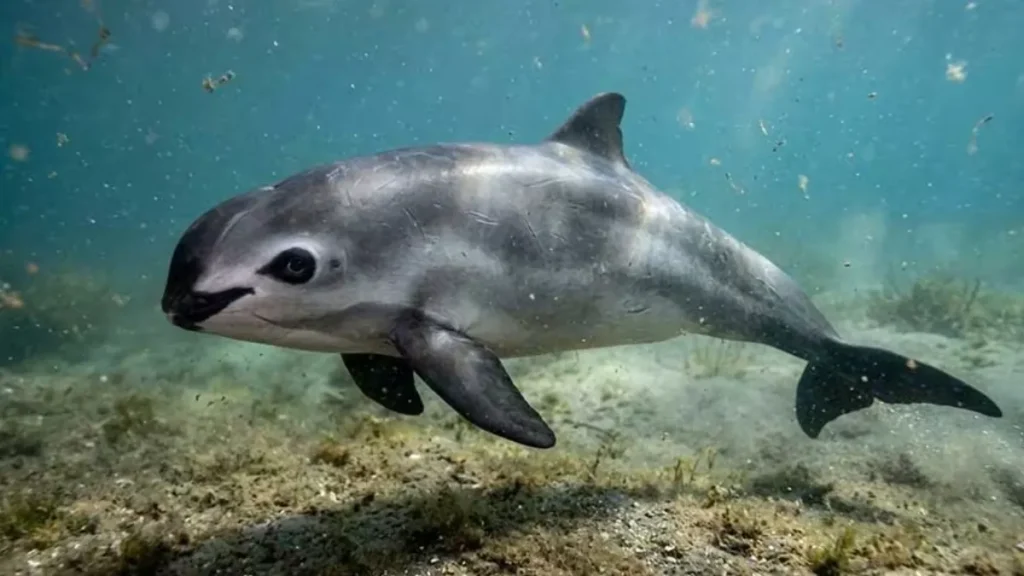
The Vaquita is widely recognized as the rarest marine mammal on Earth. This small porpoise is found only in the northern Gulf of California in Mexico, making it one of the most geographically restricted marine species.
Its biggest threat comes from illegal fishing practices. Vaquitas often become trapped in gillnets that are illegally used to catch the endangered Totoaba fish, whose swim bladder is highly valued on the black market.
Despite international conservation campaigns and fishing restrictions, scientists estimate that fewer than a dozen Vaquitas may still survive in the wild. Without stronger protection measures, the species could disappear completely.
2. Javan Rhino-One of the World’s Rarest Large Mammals
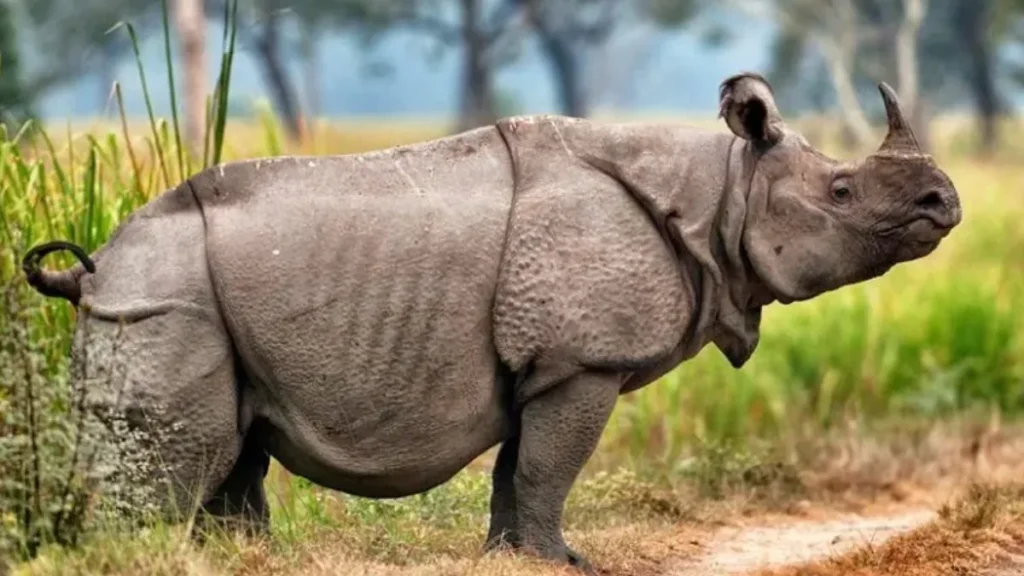
The Javan Rhino is among the rarest large mammals remaining on Earth. Today, the entire wild population survives in Indonesia’s Ujung Kulon National Park.
Although large-scale hunting historically pushed the species toward extinction, its greatest challenge today is its extremely limited range. With every known wild individual living in one protected area, disease outbreaks, volcanic activity, tsunamis, or other natural disasters could threaten the entire population at once.
Conservationists continue to monitor the species closely, but its future remains uncertain.
3. Amur Leopard-A Rare Big Cat Fighting for Survival
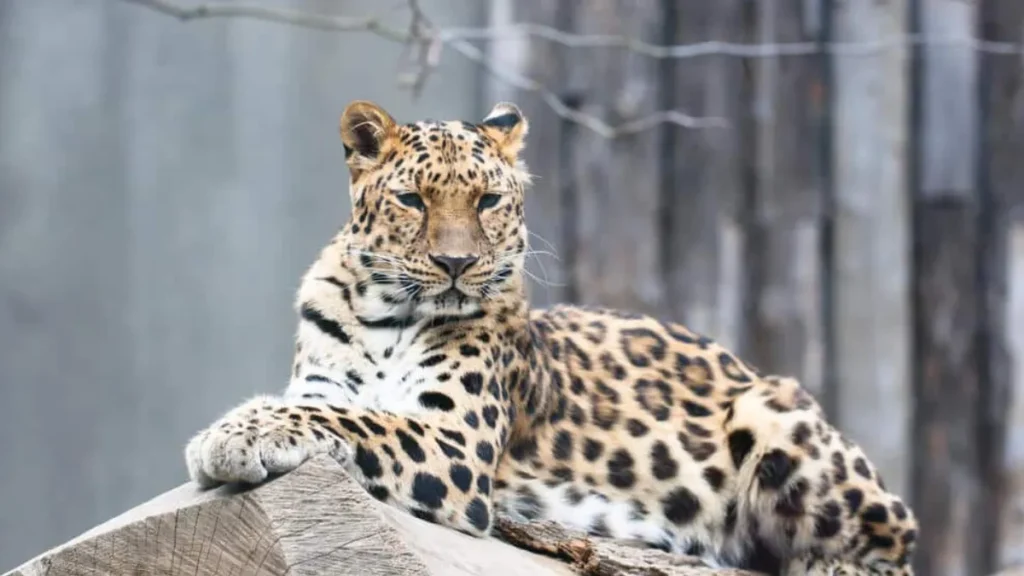
The Amur Leopard inhabits the forests of Russia’s Far East and northeastern China. Known for its beautiful spotted coat and remarkable adaptability to cold climates, it is one of the rarest big cats in the world.
Decades of habitat destruction, forest fires, and illegal hunting caused its numbers to decline dramatically. Intensive conservation work has led to encouraging signs of recovery in recent years, but the species is still listed as critically endangered.
Protecting forest habitats and preventing poaching remain key priorities for ensuring its long-term survival.
4. Sunda Tiger-The Last Native Tiger of the Sunda Islands
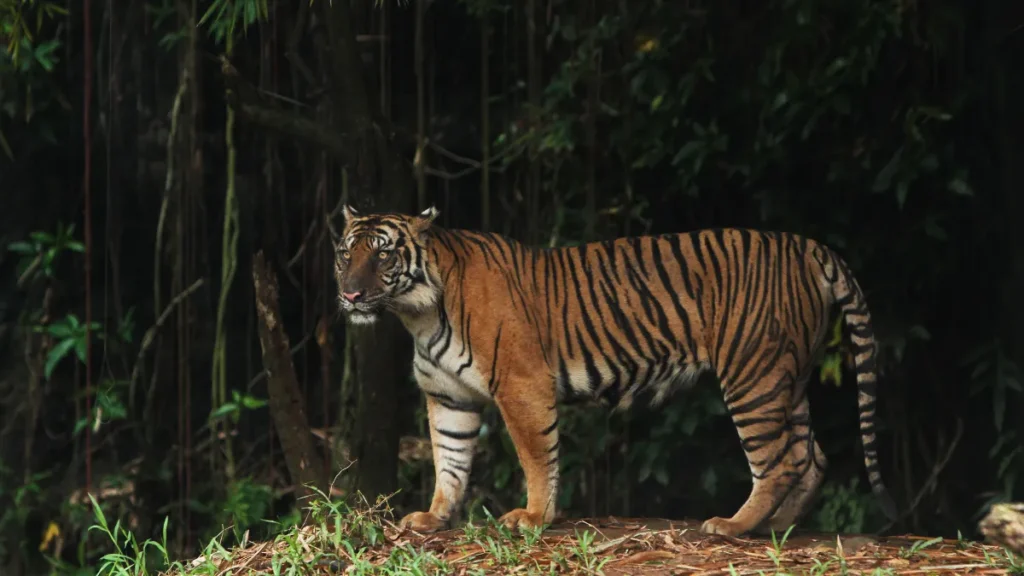
The Sunda Tiger, found only on Indonesia’s Sumatra Island, is the last surviving tiger native to the Sunda Islands.
Rapid expansion of palm oil plantations, commercial logging, and shrinking forests have significantly reduced its natural habitat. As forests disappear, encounters between humans and tigers have become more frequent, increasing the risk of conflict and retaliatory killings.
Conservationists believe preserving remaining forest landscapes is essential if the Sunda Tiger is to avoid the same fate as several extinct tiger subspecies.
5. Tapanuli Orangutan-The World’s Rarest Great Ape
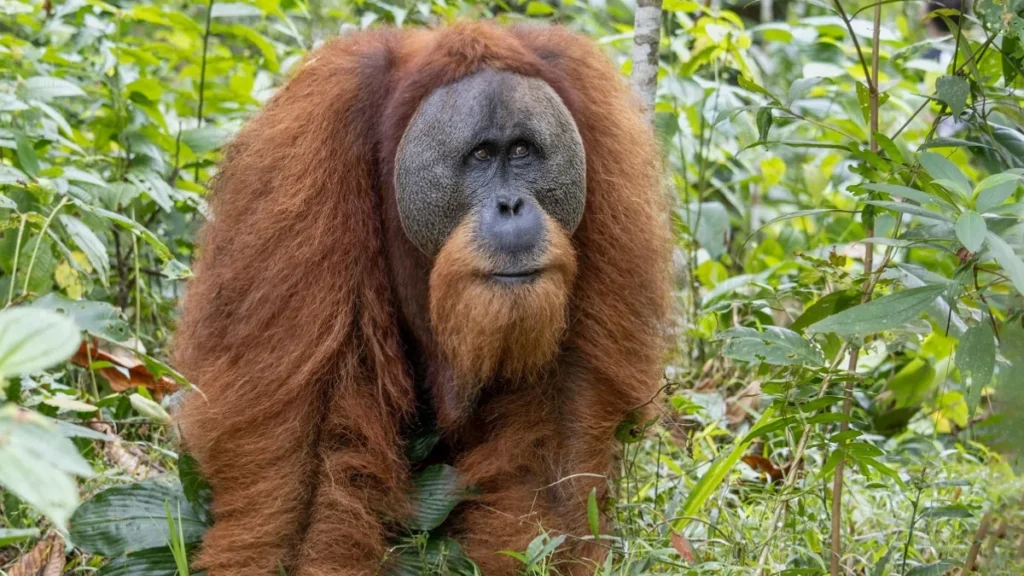
Officially recognized as a separate species in 2017, the Tapanuli Orangutan is considered the rarest great ape on the planet.
It lives in a small forest region in North Sumatra, Indonesia. Unfortunately, its habitat is becoming increasingly fragmented due to road construction, mining activities, and hydroelectric power projects.
Fragmented forests isolate populations, reduce breeding opportunities, and increase the risk of extinction. Experts emphasize that protecting and reconnecting these habitats is critical for the species’ survival.
6. Saola-The Mysterious “Asian Unicorn”
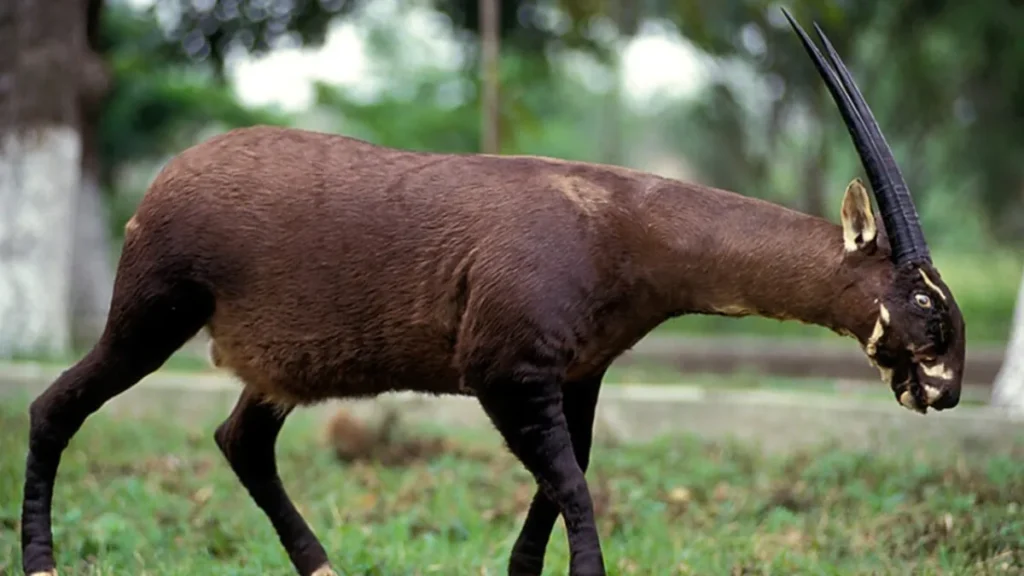
The Saola, often called the “Asian Unicorn,” is one of the world’s most mysterious mammals because it is so rarely seen in the wild.
Native to the Annamite Mountains between Vietnam and Laos, the species was scientifically identified only in 1992. Since then, confirmed sightings have remained extremely rare.
Unlike many endangered animals, the Saola is not heavily targeted by hunters directly. Instead, it frequently falls victim to wire snares set to capture other wildlife. These indiscriminate traps have become one of the greatest threats to its survival.
The lack of reliable population data makes conservation even more challenging.
7. Kakapo-The Flightless Parrot Making a Slow Recovery
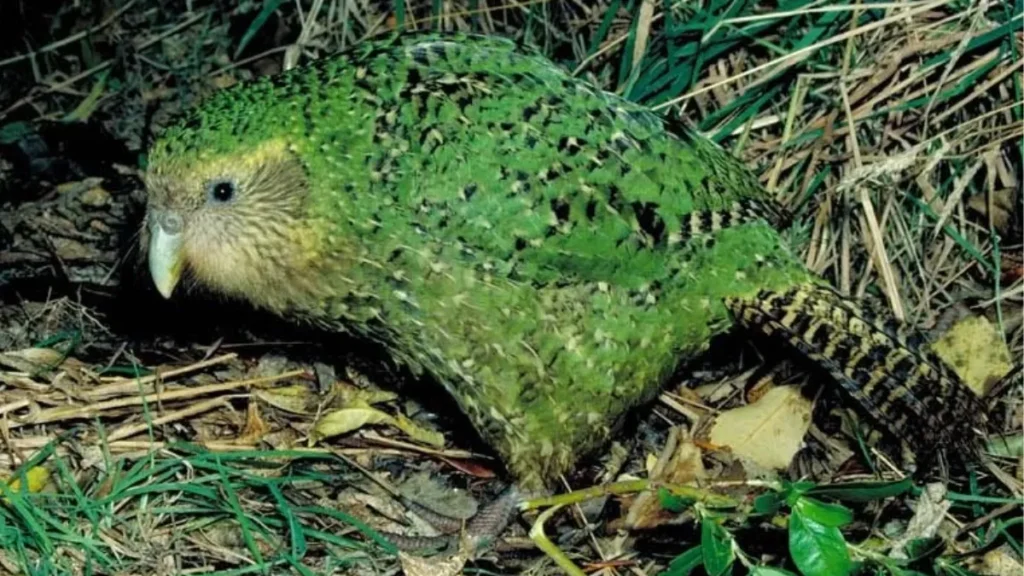
The Kakapo is a unique flightless parrot found only in New Zealand. Famous for its gentle nature and nocturnal lifestyle, it once faced near extinction after predators such as cats, rats, and stoats were introduced to its habitat.
Dedicated conservation programs have helped stabilize the population. Many Kakapos now live on predator-free islands where they receive constant monitoring and care from wildlife experts.
Although its numbers have gradually increased, the species remains highly endangered and depends heavily on ongoing conservation efforts.
Also read: Vantara Zoo: India’s Revolutionary Private Wildlife Rescue and Rehabilitation Haven
Why Protecting Biodiversity Matters
The current Biodiversity Crisis extends far beyond the survival of individual species. Every animal, bird, insect, and plant contributes to maintaining healthy ecosystems that support life on Earth.
Predators regulate prey populations, pollinators help grow crops, forests absorb carbon dioxide, wetlands filter water, and marine ecosystems sustain fisheries. When species disappear, these natural systems become weaker and less resilient.
The extinction of even a single species can trigger a chain reaction that affects food webs, forests, freshwater resources, agriculture, and ultimately human communities.
Scientists warn that biodiversity loss could also reduce the planet’s ability to adapt to climate change, making environmental challenges even more severe in the future.
Conservation Offers Hope
Despite the growing challenges, there are encouraging examples of successful conservation. Species such as the Kakapo and the Amur Leopard have shown signs of recovery thanks to habitat protection, anti-poaching initiatives, scientific research, and international cooperation.
Experts believe governments, conservation organizations, local communities, and individuals all have a role to play. Supporting protected areas, reducing illegal wildlife trade, promoting sustainable development, and raising public awareness can all contribute to preserving Earth’s natural heritage.
Also read: Vantara University Announced to Train Future Conservation Leaders and Wildlife Experts
The Future Depends on Action Today
The Biodiversity Crisis is one of the defining environmental issues of our time. The Vaquita, Javan Rhino, Amur Leopard, Sunda Tiger, Tapanuli Orangutan, Saola, and Kakapo each represent not only rare wildlife but also the fragile state of the ecosystems they inhabit.
Protecting these species is about far more than preventing extinction. It is about preserving ecological balance, safeguarding natural resources, and ensuring a healthier future for generations to come. As conservation experts continue their efforts worldwide, the choices made today will determine whether these remarkable animals remain part of Earth’s biodiversity or become memories of a world that failed to protect them.