Shock in Ahmedabad as video of doctor refusing treatment goes viral
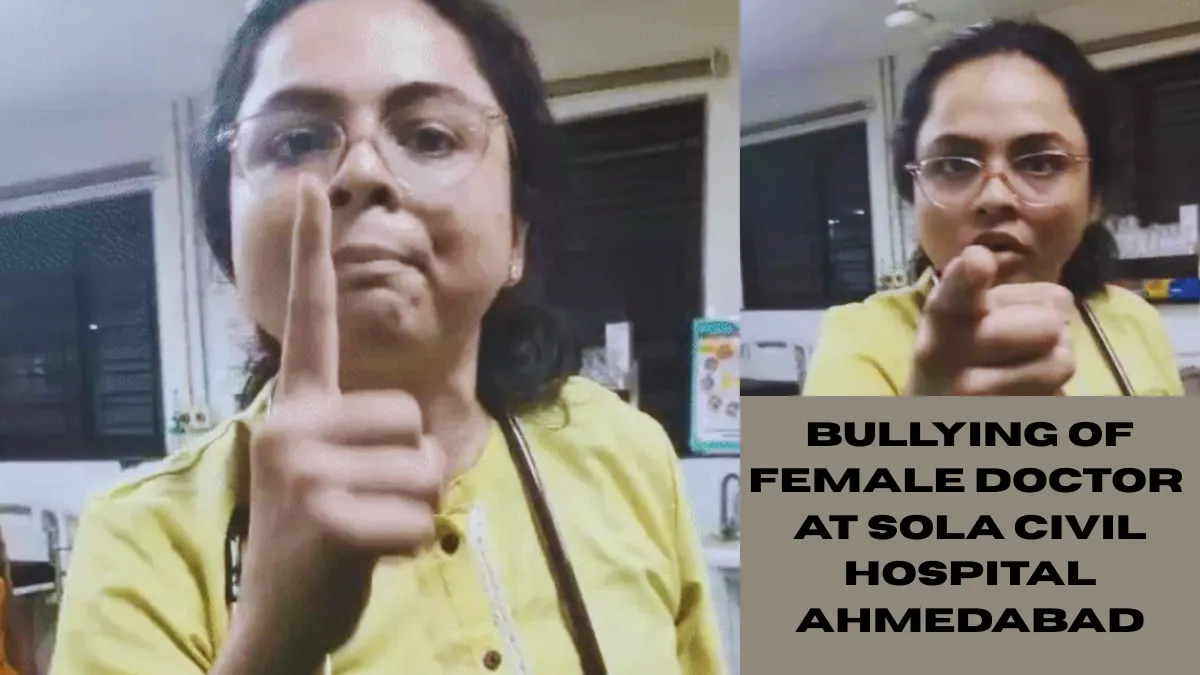
Sola Civil Hospital Ahmedabad: A disturbing incident at Ahmedabad’s Sola Civil Hospital has sparked outrage across Gujarat after a video surfaced allegedly showing a female resident doctor bullying and refusing to treat a sick child. The case, which has now prompted an official inquiry by the state’s Health Minister, has reignited questions about the accountability and behavior of medical staff in government hospitals.
According to reports, Ajay Chawda, a local resident, brought his niece suffering from fever and breathing difficulty to Sola Civil Hospital’s pediatric department on the night of October 26. What followed was a confrontation that has since gone viral on social media — exposing alleged arrogance, negligence, and violence by a medical professional entrusted with saving lives.
“I won’t treat her, go wherever you want”: shocking behavior caught on camera
Ajay Chawda stated that his niece’s fever had worsened after two days of mild symptoms, and she was struggling to breathe due to congestion. As his brother worked as an electrician at Sola Civil, the family decided to seek urgent medical care there.
However, when they arrived at the pediatric ward around 9 PM, no doctor was present. After waiting for several minutes, a female resident doctor arrived, who then reportedly spoke harshly to the family.
The confrontation began when the doctor noticed that the child’s thermometer was placed over her T-shirt, instead of directly under the arm. When Ajay’s brother explained that it was done by hospital staff, not by him, the doctor allegedly raised her voice and said,
“I’ve told you three or four times — don’t you understand? If it’s your daughter, shouldn’t you know how to do it properly?”
Ajay claimed he calmly asked the doctor to lower her tone, at which point she became more aggressive. When he began recording the incident on his mobile phone, she allegedly hit his hand and also struck his brother in the stomach.
The doctor then reportedly declared,
“You misbehaved with me. I won’t treat your child. Go wherever you want — even to the Chief Minister if you like, but I will not treat her.”
The family said they later contacted the Chief Medical Officer (CMO), who advised them to delete the video in exchange for treatment. The child was eventually taken inside the ward for treatment after a delay — an episode that has now become a symbol of patient harassment in public hospitals.
Health Minister orders immediate investigation
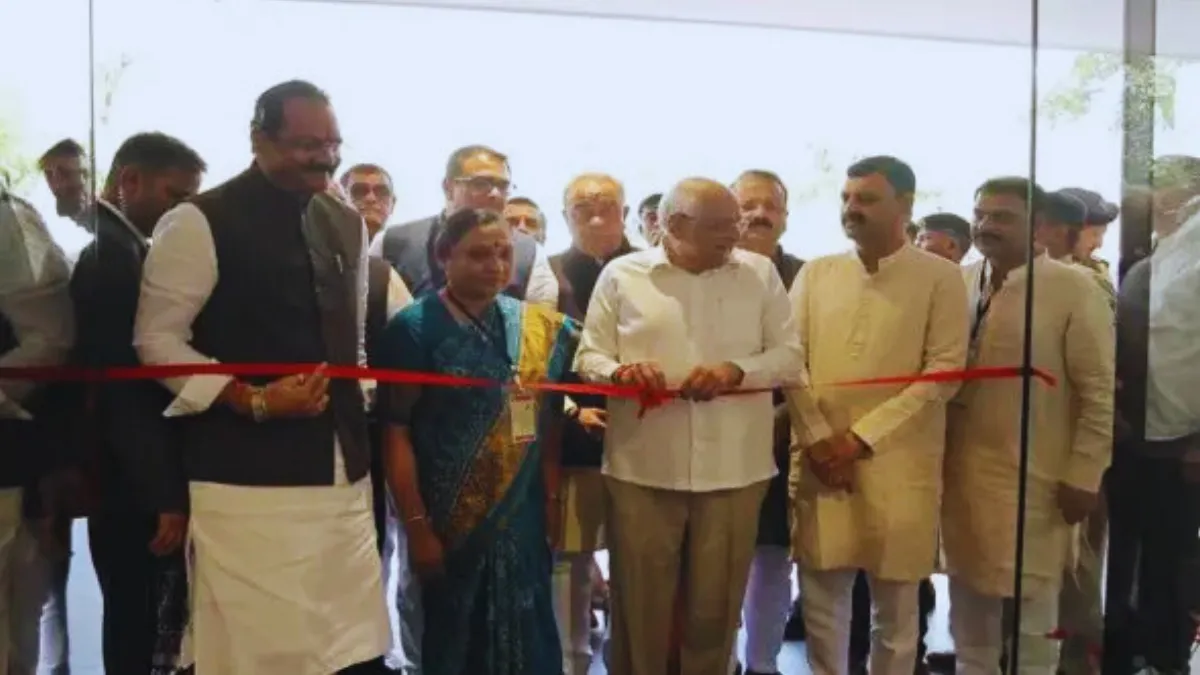
Following public outrage and viral circulation of the video, Gujarat Health Minister Praful Panseriya ordered an immediate probe into the alleged bullying incident.
In his official statement, the minister emphasized,
“If any medical staff or officer misbehaves with a patient or their relatives, an impartial investigation will be conducted, and strict action will be taken against the guilty.”
The minister’s intervention came after citizens, activists, and social media users demanded accountability and reform in public healthcare behavior standards.
Hospital administration silent, refuses to answer media calls
Efforts by local reporters to contact Dr. Devang Shah, the superintendent of Sola Civil Hospital, went unanswered. According to media reports, hospital officials have remained tight-lipped, neither confirming nor denying the allegations.
The silence has only intensified public anger, with many questioning how a government hospital — meant to serve ordinary citizens — can allow such misconduct without immediate administrative response.
Pattern of neglect: similar bullying incident in Rajkot Civil Hospital
The Ahmedabad case is not an isolated one. Just months earlier, Rajkot Civil Hospital, another major government facility in Gujarat, was embroiled in a similar controversy after folk singer and artist Meera Aahir accused hospital staff of negligence and abuse.
In her viral video, Meera alleged that despite her brother suffering a head injury in an accident near Parevdi Chowk, he was made to wait 45 to 50 minutes in the emergency ward without admission or treatment.
According to her, hospital staff used abusive language, refused to register the case, and even mocked her by saying:
“It’s lunchtime now, we won’t admit him. Do whatever you can.”
She added,
“If a known artist faces such treatment, imagine what happens to ordinary people. Civil hospitals are meant for the poor, but patients are being bullied, humiliated, and made to suffer.”
Her emotional appeal on social media received massive public support, exposing a deeper systemic failure in Gujarat’s healthcare administration.
Viral video shows verbal abuse and unprofessional conduct
In the Rajkot case, the video footage captured a heated argument between staff nurse Arti Parmar and the patient’s sister. The nurse was seen throwing a file in anger, while the patient’s relative pleaded for an explanation:
“Please tell me what ‘emergency’ means. My brother has a head injury — how can you make us wait for ten hours?”
The nurse responded dismissively, saying, “Go away from here,” and later, “I don’t want to talk to you.”
The argument escalated until hospital staff intervened to separate them. The footage has since become a symbol of insensitivity in emergency wards, prompting calls for better staff training, counseling, and oversight.
Doctors defend staff, cite patient “non-cooperation”
Responding to the controversy, Dr. Monali Mankadiya, the superintendent of Rajkot Civil Hospital, defended her staff, stating that the patient had been given full treatment procedures but the family “did not cooperate.”
She claimed,
“The patient was admitted for surgery after being moved to the fourth floor. Treatment procedures had already begun. However, when the family was asked to complete formal registration, they refused and left with the patient for private treatment.”
She further assured that CCTV footage and documents would be released after the investigation committee completed its review.
Meanwhile, Dr. Bhavesh Vaishnani, Head of the Surgery Department, added that determining who qualifies for “emergency” status is up to the attending doctors.
“The patient was conscious, walking, and talking. There was no severe bleeding. Necessary treatment was being initiated. The staff member should not have spoken rudely, but disciplinary action will depend on the committee’s findings.”
This response has sparked criticism for allegedly shifting blame to patients rather than acknowledging unprofessional behavior.
Eyewitnesses speak out: “We had to move stretchers ourselves”
When journalists from Divya Bhaskar visited Rajkot Civil Hospital, they found several patients’ relatives moving stretchers and wheelchairs by themselves because no hospital staff were available to assist.
One relative, Vikramsinh, said,
“I had to push the stretcher myself. Nobody came with me, but I had to show the patient to the doctor.”
Another patient, Mahesh Talpada, who supports a family of six, complained about the lack of response and coordination:
“We poor people have no choice but to come here. Staff do not answer properly. My surgery failed, and now I have to go through it again next month. The government must take this seriously.”
Such accounts highlight a worrying trend — patients and families performing basic hospital duties because of absentee staff and chaotic systems.
Public anger and political reaction
Former MLA Indranil Rajyaguru publicly praised Meera Aahir for speaking up, saying that her courage had drawn attention to long-ignored hospital mismanagement.
He criticized the system, alleging that while doctors actively serve in private hospitals, they often neglect their duties at civil hospitals meant for the public.
“Government hospitals should be temples of service, not centers of arrogance,” he said. “People themselves must protest against such mismanagement. If the government doesn’t ensure accountability, the poor will continue to suffer.”
Systemic issues behind repeated hospital controversies
Healthcare experts say these incidents reveal a larger systemic failure in Gujarat’s government hospitals — from staff shortages and inadequate supervision to poor communication and lack of empathy.
Repeated complaints about unprofessional behavior, delayed response, and verbal abuse indicate a culture of impunity, where neither patients nor families feel safe or respected.
Medical ethics experts have also highlighted the urgent need for sensitivity and communication training for resident doctors and nursing staff, especially in emergency and pediatric wards where emotions run high.
Government promises action but trust deficit remains
While inquiries have been announced in both Ahmedabad and Rajkot cases, many citizens doubt whether meaningful change will follow. Gujarat’s healthcare system has long been under scrutiny for insufficient staffing, poor infrastructure, and lack of accountability mechanisms.
Critics argue that disciplinary committees often protect their own rather than punishing misconduct, leading to a dangerous erosion of public trust.
Social media users have flooded comment sections demanding transparency, staff reform, and a dedicated grievance cell where patients can safely report harassment without fear of reprisal.
Also read: Gujarat Chief Minister Worships at Trimandir to Mark the Beginning of Vikram Samvat 2082
Bullying in healthcare: a deeper problem
Experts note that bullying in hospitals is not just a patient issue — it is also prevalent among staff, particularly junior doctors and nurses. However, when such behavior is directed toward patients and their families, it becomes a severe breach of both medical ethics and human rights.
Dr. Kavita Mehta, a healthcare ethics consultant, explains:
“Healthcare professionals hold an enormous responsibility. A single harsh word can break a patient’s trust. Hospitals must prioritize empathy as much as efficiency.”
The need for reform: restoring faith in public healthcare
The Bullying of Female Doctor at Sola Civil Hospital Ahmedabad case has become a wake-up call for the entire healthcare system. It underscores the urgent need for reforms that go beyond punishment — including better patient interaction training, stricter supervision, and periodic performance reviews for government hospital staff.
Public healthcare cannot survive without trust. When the very doctors meant to save lives are accused of bullying the vulnerable, the system itself stands on trial.
Also read: India’s Largest Lulu Mall to Be Built in Ahmedabad: A Landmark Retail Destination in India
Conclusion: Accountability must start now
As the investigation into the Sola Civil Hospital bullying case continues, citizens and patient rights groups are demanding that the Gujarat government make the findings public and ensure that those responsible face real consequences.
The incident serves as a grim reminder of the fragility of patient trust in India’s public hospitals. From Ahmedabad to Rajkot, the repeated stories of neglect, abuse, and arrogance point to one undeniable truth: Without accountability and compassion, healthcare loses its humanity.
Until the system reforms itself — through training, transparency, and empathy — incidents like these will continue to shake public confidence in institutions meant to heal, not hurt.